Can You Coat Old Concrete? What You Need to Know Before Upgrading
If your garage floor, patio, or walkway is looking rough, you might be wondering—can you coat old concrete, or does it need to be completely replaced? The good news is: yes, you absolutely can coat old concrete, and with the right surface preparation and materials, the results can be even better than new.
Many homeowners in Kansas face the same issue. After years of freeze-thaw cycles, moisture, salt, and everyday wear, concrete surfaces start to show their age. But replacement isn’t always the answer. In fact, with professional surface repair and a high-performance coating system, your existing slab can be restored, strengthened, and protected for decades.
What Counts as “Old” Concrete?
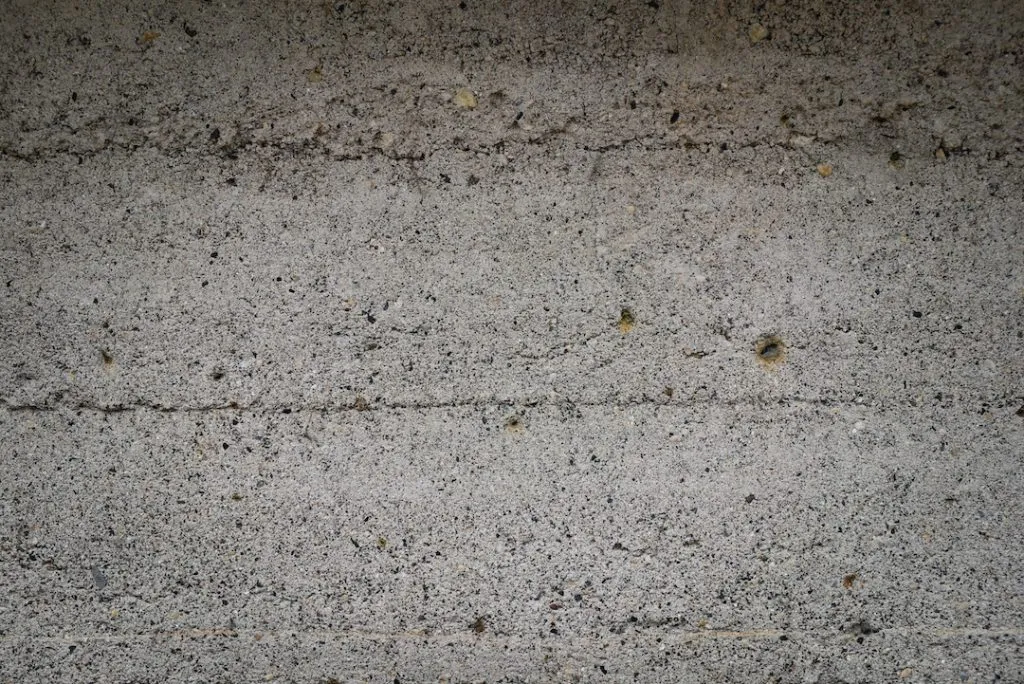
Concrete is considered “old” when it shows visible wear or has lost its protective layer. You may notice:
- Hairline cracks or surface pitting
- Deep stains or discoloration from oil or rust
- Worn sealers or faded coatings
- A rough, chalky surface texture
- Minor uneven spots or shifting
If this sounds familiar, your floor may still be a perfect candidate for resurfacing. The key is ensuring the concrete is structurally sound. As long as it’s not crumbling or breaking apart, it can usually be repaired and coated successfully. If you’re unsure, contact Peak Concrete Coatings for a free inspection—we’ll test the strength, check moisture levels, and confirm whether your surface can be restored.
Why You Shouldn’t Ignore Aging Concrete
Old, untreated concrete isn’t just an eyesore—it’s a structural concern. Over time, microcracks allow water and chemicals to seep in, leading to further damage as the material expands and contracts. In Kansas, where freeze-thaw cycles are common, this can accelerate deterioration. Eventually, you’ll notice spalling, flaking, or larger cracks that compromise the foundation.
A professional coating system stops that cycle. It seals the surface, repels moisture, and adds a durable layer of protection designed for the Midwest’s unpredictable weather. That’s why more homeowners are choosing to coat old concrete instead of replacing it.
Step-by-Step: How Professionals Prepare Old Concrete for Coating
At Peak Concrete Coatings, proper surface preparation is everything. Skipping steps—or rushing them—is the most common reason coatings fail. Our trained technicians follow a proven process to ensure long-term adhesion and flawless results.
1. Moisture Testing
Older concrete often holds residual moisture, especially in basements or garages. We perform detailed moisture vapor testing (using calcium chloride or in-situ RH probes) to ensure the surface is dry enough to coat. High moisture levels can lead to bubbling or peeling later, so we always address this first.
2. Crack Repair and Patching
Next, we repair any cracks, pits, or divots using high-strength fillers and patching compounds compatible with polyurea coatings. These materials are flexible and durable, ensuring the surface remains smooth and strong even as the slab naturally shifts over time. For more insight into the repair process, Bob Vila’s guide to fixing cracked concrete offers helpful background information.
3. Surface Grinding and Profiling
We mechanically grind the concrete to create the correct surface texture—known as a Concrete Surface Profile (CSP 2–3). This roughens the surface just enough for the coating to bond at a molecular level. Grinding also removes any old paint, sealers, or residues. According to the American Concrete Institute (ACI), mechanical preparation is far more effective and consistent than acid etching.
4. Detailed Cleaning
After grinding, the surface is vacuumed and cleaned thoroughly to remove all dust and debris. Even microscopic residue can interfere with adhesion, so this step ensures a perfectly clean, ready-to-coat base.
Once these steps are complete, your old concrete is ready for a high-performance polyurea coating that can last 15–20+ years with minimal maintenance.
Polyurea vs. Epoxy: What Works Best on Aged Concrete?
Epoxy coatings have been around for decades, but polyurea has become the new industry standard—especially for resurfacing older slabs. Here’s why:
- Flexibility: Polyurea expands and contracts with temperature changes, preventing cracks from reappearing.
- UV Stability: Unlike many epoxies, polyurea won’t yellow or fade under direct sunlight.
- Faster Cure Time: Most systems cure in a single day, minimizing downtime.
- Superior Adhesion: Polyurea chemically bonds to the surface, creating a stronger seal.
When applied correctly, polyurea coatings perform exceptionally well even on older or weathered surfaces, providing a finish that’s both beautiful and built to last.
Decorative Coatings: Form Meets Function
Restoring old concrete isn’t just about protection—it’s about transformation. Modern coating systems come in a variety of finishes and styles that let homeowners customize their look while adding value to their property.
Popular options include:
- Decorative flake systems: Create a stone-like texture and added traction.
- Quartz blends: Offer durability and a clean, elegant appearance.
- Solid color coatings: Deliver a sleek, modern look for garages and basements.
You can match your home’s style, add slip resistance for safety, or choose a vibrant color that enhances curb appeal. When you coat old concrete, you’re not just restoring—it’s a full aesthetic upgrade.
Common Mistakes When Coating Old Concrete
Many homeowners are tempted to try DIY coating kits, but these products rarely hold up on older surfaces. Common pitfalls include:
- Skipping grinding or using acid etching instead
- Applying over moisture, causing bubbles or peeling
- Ignoring structural cracks
- Using low-quality paints or water-based epoxies
- Failing to apply a primer or topcoat
Each of these mistakes leads to early coating failure. The Concrete Network notes that professional installation, mechanical prep, and the right chemistry are essential for lasting performance—especially on aged concrete.
Maintenance and Longevity
Once your coating is installed, keeping it looking new is simple. Sweep or mop regularly to remove dust and debris, and avoid harsh chemical cleaners that can dull the finish. For garages or workshops, placing mats under heavy equipment prevents scuffs or impact marks.
The best part? With proper care, a professional polyurea coating can last up to 20 years or more. That’s decades of protection against Kansas weather, water intrusion, and wear.
The Value of Resurfacing vs. Replacing
Tearing out and re-pouring concrete is time-consuming and expensive. By choosing to coat old concrete, you save on labor, materials, and disposal costs while gaining a stronger, more attractive finish. Plus, coatings cure in as little as 24 hours—meaning your garage or patio is ready to use almost immediately.
Beyond the savings, coatings also increase property value. A seamless, slip-resistant surface gives your home a cleaner, more finished look that potential buyers notice instantly.
Why Kansas Homeowners Choose Peak Concrete Coatings
At Peak Concrete Coatings, we understand the unique challenges Kansas weather brings—from summer heat to winter freeze-thaw cycles. Our coatings are engineered to handle it all. Every installation begins with a detailed inspection, followed by professional grinding, patching, and moisture testing. We use only premium polyurea systems designed for long-term adhesion and UV stability.
When you partner with us, you get:
- Expert surface preparation and repair
- One-day installation in most cases
- Custom finishes for every style
- Long-term warranty protection
- A local Kansas team that stands behind every project
Upgrade Your Concrete Without Replacing It
Old concrete doesn’t mean worn-out potential. With modern coating technology, you can bring strength, style, and longevity back to your floors. Whether it’s a garage, basement, patio, or pool deck, our professional coatings protect against moisture, UV rays, and wear—while completely transforming the look of your space.
Don’t wait for cracks to worsen or stains to set in. Let’s give your old concrete a second life. Contact Peak Concrete Coatings today to schedule your free inspection and see why we’re Kansas’s trusted choice for lasting surface transformations.
Author: Jake Moszyk