
Garage Floor Coating 101: A Guide for Homeowners
I get the same call constantly: “Jake, my garage floor looks awful, and I have no idea where to even start.” I get it. Most of us don’t think about our garage floor until it’s already cracked, stained, or covered in a decade of oil spots. So I put together the guide I wish someone had handed me when I first started learning this industry — before I ever mixed a batch of polyurea or talked a homeowner through their options.
What a Garage Floor Coating Actually Does
A garage floor coating isn’t just about looks, even though the transformation is honestly the part most homeowners get excited about first. A good coating does three real jobs:
- Protects the concrete from oil, grease, road salt, and the constant freeze-thaw cycles we get here in the Kansas City area.
- Improves safety with slip resistance, especially important if your garage doubles as a workshop or gym.
- Adds value to your home. An updated, durable garage floor is one of those upgrades buyers notice immediately when they walk through.
Bob Vila’s rundown of garage floor coatings covers this well — a quality coating protects a slab that would otherwise flake and crack over time, while also making the space dramatically easier to keep clean.
Garage Floor Coating Options: What’s Out There
When homeowners start researching garage floor coating, they usually run into three categories:
- Epoxy – the most common, budget-friendly, but can be sensitive to temperature during installation and prone to peeling if the prep work is rushed.
- Polyaspartic – cures fast and handles UV exposure well, but is technically demanding to apply correctly.
- Polyurea – what we install at Peak. It’s more flexible, more impact-resistant, and cures in a fraction of the time of standard epoxy.
I didn’t pick polyurea because it was trendy. I picked it because after ten years of running a hands-on service business, I wanted to offer something I could stand behind for the long haul — not something I’d be getting callbacks about in three years. You can see the difference in person on our color samples page, and read more about how we approach every job on our residential coatings page.
What Affects the Cost of a Garage Floor Coating
A few things drive price up or down on any garage floor coating project:
- Square footage — obviously the biggest factor.
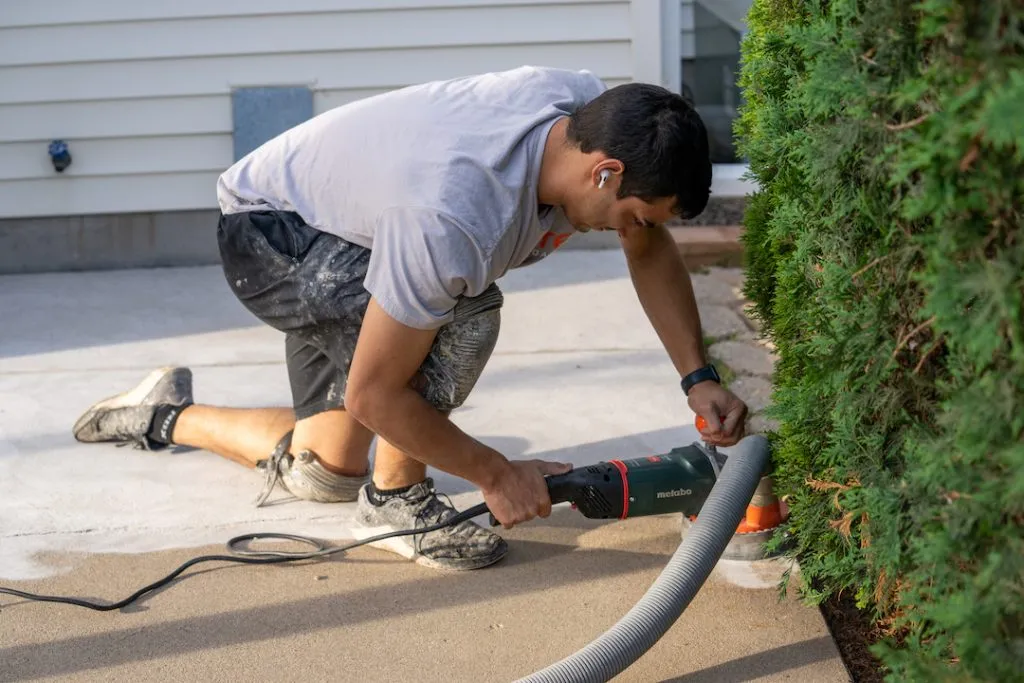
- Condition of the existing concrete — cracks, moisture issues, and old coatings that need to be ground off all add labor.
- Coating type — a basic epoxy kit costs less upfront than a professionally installed polyurea system, but it also won’t last nearly as long.
- Add-ons — things like color flakes, anti-slip additives, or a clear topcoat for extra UV protection.
I always tell people to think about cost per year of use, not just the number on the estimate. A coating that lasts 15-20 years and never needs to be redone is usually the better investment over a cheaper option you’ll be repeating in three to five years.
Hiring the Right Team
This is the part people skip, and it’s the part that matters most. A garage floor coating is only as good as the person installing it. Before you sign anything, do your homework — check reviews, ask for references, and confirm the company is insured. The Better Business Bureau’s guide to hiring a contractor is a great starting point if you’re not sure what questions to ask.
We’re a family-run business based right here in Stilwell, and we’ve built our reputation job by job in this community. If you want to see the kind of work that reputation is built on, check out our gallery of completed projects around the Kansas City metro.
Ready to Get Started?
A garage floor coating is one of those upgrades that pays you back every single day — in how your space looks, how easy it is to clean, and how much longer your concrete lasts. If you’re weighing your options, give us a call. We’ll walk your garage, answer your questions honestly, and give you a straightforward quote with no pressure attached.
Author: Jake Moszyk