
5 Signs Your Garage Floor Needs a New Coating (And Why You Shouldn’t Wait)
Every day, your garage floor in the Kansas City Metro area deals with more abuse than almost any other surface in your home. Hot tires, winter road salt, snowmelt, dropped tools, lawn equipment, and constant foot traffic all take a toll. Over time, even the toughest concrete starts to crack, stain, and look worn out. When that happens, it’s easy to ignore the problem and tell yourself you’ll deal with it “someday.” But a tired, damaged floor isn’t just an eyesore—it can turn into a safety issue and a much more expensive repair down the road.
If you’re wondering whether it’s time to upgrade, here are five clear signs your garage floor is ready for a new coating, plus why it pays to act sooner rather than later.
What a New Coating Really Does for Your Garage Floor
Before we dive into the signs, it helps to understand what a new coating actually accomplishes. In most Kansas City garages, the concrete slab started out bare. Bare concrete is porous, brittle, and sensitive to temperature swings. It cracks, pits, and soaks up every spill.
When you invest in garage floor resurfacing, you’re not just rolling on paint. A professional crew will:
- Repair cracks, pits, and surface damage
- Use industrial grinders to open up the surface and remove weak material
- Install a multi-layer coating system that seals, protects, and transforms the floor
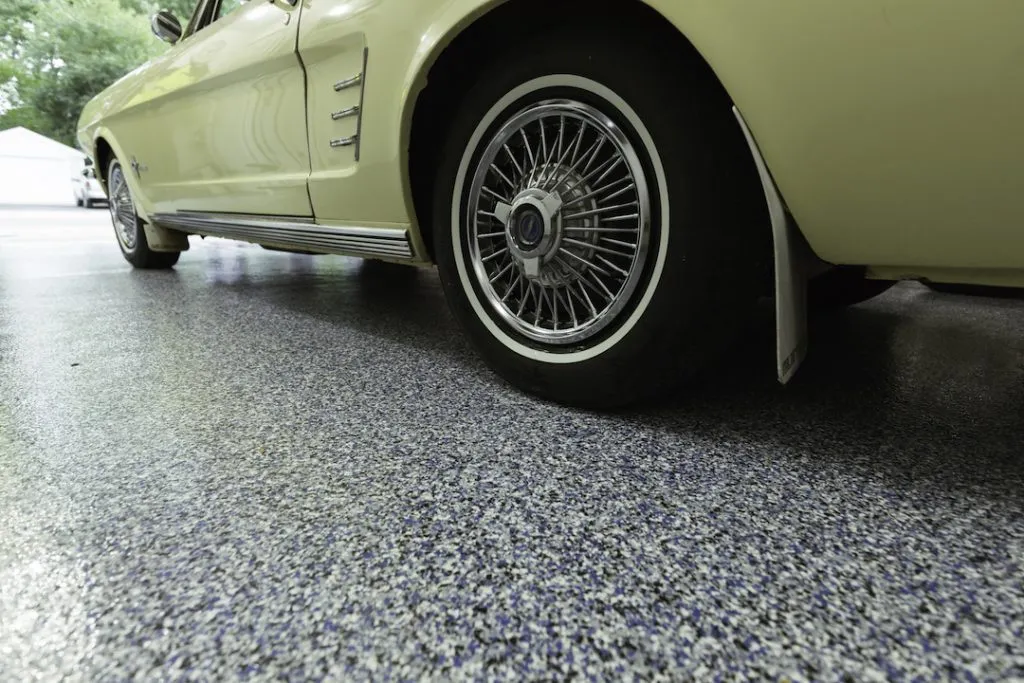
The result is a bright, durable, low-maintenance surface that’s built to handle Midwest weather, hot tires, and everyday life in the Kansas City Metro.
Sign #1: Cracks and Pitting Keep Spreading
A few small hairline cracks are common as concrete naturally expands and contracts with Kansas City’s hot summers and cold winters. The problem starts when those cracks widen, connect, or combine with pitted areas where the surface has begun to break apart.
Those defects aren’t just cosmetic. Spreading cracks and pitting can:
- Allow water, de-icing salt, and chemicals to work deeper into the slab
- Get worse each winter as moisture freezes and expands
- Create uneven spots and tripping hazards for your family and guests
A high-quality coating system starts with repairing these problem areas and stabilizing the surface. Once the damage is addressed, the new coating helps lock everything in so you’re not constantly watching cracks grow season after season.
Sign #2: Stains Never Seem to Go Away
Garage floors in the Kansas City Metro see a little bit of everything—motor oil, gas, antifreeze, fertilizers, paint, and household chemicals. If you’ve scrubbed, pressure-washed, and tried multiple cleaners but those dark spots won’t budge, the concrete has likely absorbed the stain.
When liquids soak into the pores of the slab, they can:
- Leave permanent discoloration that makes your garage look dirty
- Hold onto unpleasant odors
- Slowly weaken the surface, especially with harsh chemicals
One of the biggest benefits of garage floor resurfacing is that it replaces that porous surface with a dense, sealed coating. Spills stay on top of the coating instead of soaking in, so cleanup becomes as simple as a mop, squeegee, or shop vac. Your garage looks cleaner, smells better, and is easier to maintain.
Sign #3: Old Paint or DIY Coatings Are Peeling and Chipping
Tried a hardware-store epoxy kit in the past? You’re not alone. Many Kansas City homeowners roll on a DIY coating hoping for a quick upgrade, only to see it peeling, chipping, or hot-tire-picking within a year or two. Most of those products simply aren’t built to handle the combination of vehicle weight, road salt, and temperature swings we get in this area.
Common signs your current coating has failed include:
- Areas where the coating has lifted, chipped, or flaked away
- Bubbles or blisters that feel soft underfoot
- Yellowing and discoloration near the garage door where UV exposure is strongest
Once a coating starts to fail, adding another layer on top won’t solve the underlying problem. The floor needs to be mechanically ground, weak material removed, and a professional-grade system installed over properly prepared concrete. This is where durable polyurea systems really shine—they’re designed to bond tightly and stay flexible enough to handle daily abuse without peeling.
Sign #4: Your Floor Is Slippery, Uneven, or Collecting Puddles
Safety is a major reason homeowners decide to upgrade their garage floors. If the surface feels slick when it’s wet or you see low spots where water constantly pools after rain or snow, that’s more than an annoyance—it’s a slip-and-fall risk.
In a busy household where people are carrying groceries, tools, sports gear, or kids in and out, you want a floor that helps prevent accidents, not one that causes them. A professionally installed coating system can:
- Add slip-resistant texture without feeling like sandpaper
- Help water move off the surface instead of sitting in puddles
- Create a more even surface that’s safer and more comfortable to walk and work on
If you’re using your garage as a home gym, workshop, or everyday entry, that extra traction and smoother footing makes a noticeable difference.
Sign #5: Your Garage Looks Tired No Matter How Much You Clean
Maybe your garage floor isn’t severely damaged, but it never really looks clean. Bare concrete tends to dust, discolor, and show every scuff, tire mark, and rust stain. Even after you sweep and organize, the space still feels dull and unfinished.
A fresh, professional-grade coating can completely change that. With the right system, you can:
- Brighten the space by reflecting more light
- Hide minor imperfections with decorative flake blends
- Tie the floor into your cabinets, slatwall, or storage for a more polished look
For many Kansas City homeowners, this visual transformation is the final push to stop putting off the project. Your garage stops feeling like a dark storage area and starts functioning like a clean, useful extension of your home.
Why Fixing the Problem Now Costs Less Than Waiting
If you’re seeing one or more of these signs, you have two options: keep patching and cleaning, or tackle the problem at its source. Constantly filling cracks, chasing stains, and touching up failing coatings can be frustrating and add up over time.
Resurfacing offers a more complete, long-term solution by:
- Repairing damage before it spreads deeper into the slab
- Sealing the surface under a tough, protective coating
- Reducing the time and effort you spend on maintenance
In many cases, the investment in garage floor resurfacing is significantly less than full concrete replacement—and the results are dramatically better than temporary fixes like paint and thin sealers.
Why Professional Installation Matters in the Kansas City Metro
Not all coatings or installers are the same. The off-the-shelf kits in a home center aisle are very different from the professional-grade systems designed for high-traffic residential and commercial use. Just as important as the product itself is the process used to install it.
You can expect:
- Thorough evaluation of your existing concrete
- Industrial grinding and dust-controlled surface prep
- Crack and pit repair that stabilizes the slab
- A carefully layered system engineered for our four-season climate
That level of prep and installation is what makes the difference between a floor that looks good for a few months and one that performs year after year.
Transform Your Garage with Peak Concrete Coatings
If your garage floor is cracked, stained, slippery, or just plain tired, it’s sending you clear signals that it’s time for a new coating. Investing in garage floor resurfacing with a durable polyurea system from Peak Concrete Coatings gives you a floor that looks better, performs better, and is easier to live with every day.
Ready to see what a transformed garage could look like in your home? Contact Peak Concrete Coatings today to learn more.
Author: Jake Moszyk